Quick answer
When roadworks, a flood or a closure cuts main-street trade, New Zealand owners usually combine practical steps — talking to the landlord, suppliers and Inland Revenue — with recovery funding: unsecured working capital sized on pre-disruption takings (typically $5,000 to $500,000) or a property-secured loan ($20,000 to $5,000,000) for a longer runway. Inland Revenue can remit penalties for taxpayers hit by declared emergency events.
Key points
- Council research found Thorndon Quay card spending fell about 8% annually against benchmarks during roadworks.
- Some disruptions are temporary: Island Bay's 5% dip during works recovered afterwards.
- Inland Revenue can remit penalties and some interest after declared emergency events.
- Lenders look at trading before, during and after a disruption — keep good records.
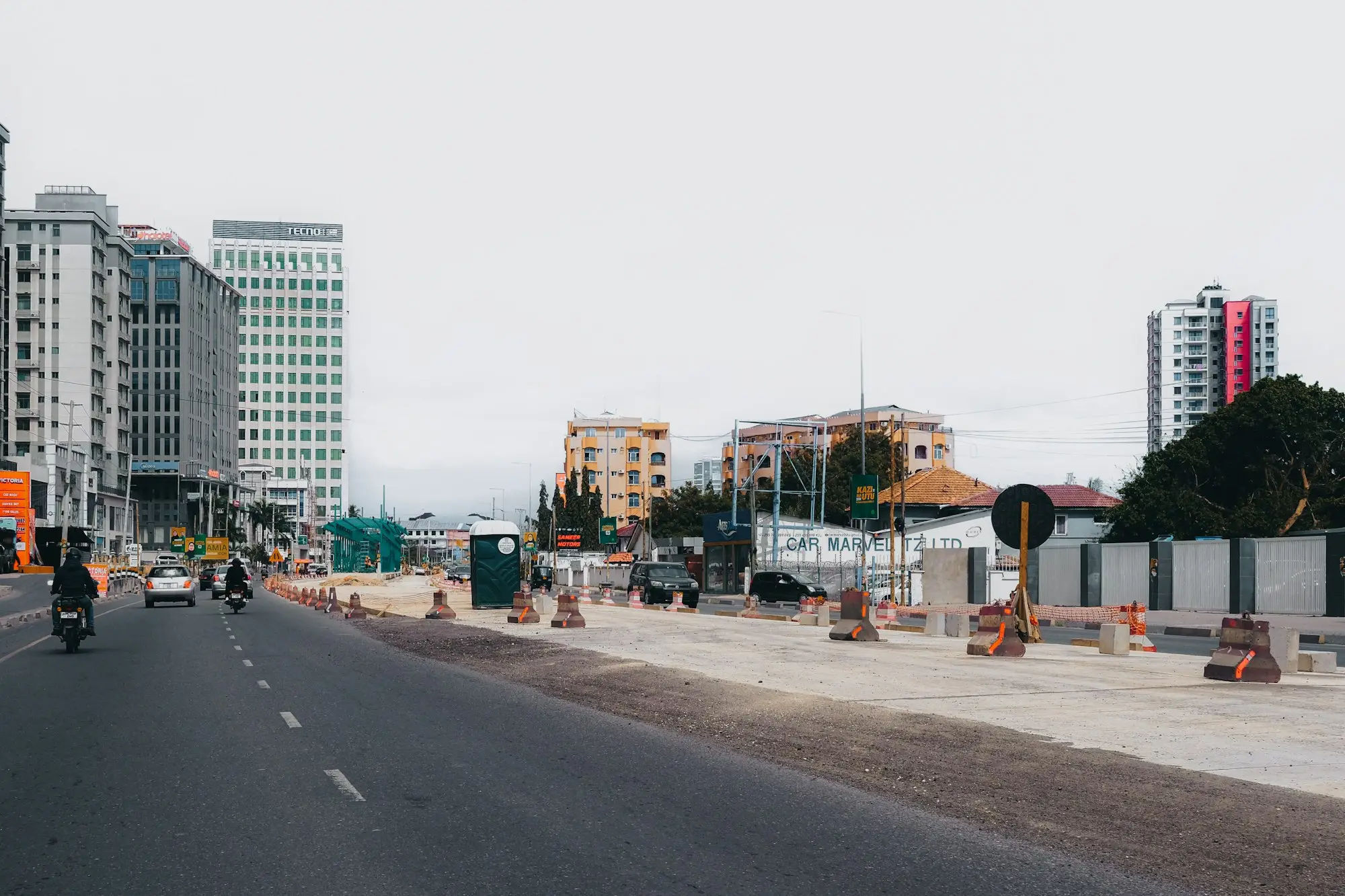
Main-street businesses are exposed in a way online businesses aren’t. If the road outside is dug up for months, if a flood closes the highway into town, if a storm takes out power for a week, or if a big street upgrade fences off the footpath, customers simply stop coming. The business can be perfectly sound and still lose a season’s income through no fault of its own.
Recovery is possible — but it usually needs both practical steps and the right kind of funding.
How much can disruption really hurt?
Wellington City Council’s September 2025 Changing Lanes report looked at card spending on streets with roadworks or road changes. It found:
- Thorndon Quay saw card spending fall about 8% annually relative to benchmarks during roadworks.
- Island Bay saw a temporary 5% decline during construction, which recovered once the works finished.
- Karori showed no evidence that road layout changes affected spending.
The lesson: disruption can bite hard, but it’s often temporary, and businesses that make it through to the other side can recover. Queenstown’s mayor said much the same when the town centre arterial road opened in January 2025, acknowledging a challenging and disruptive time for residents and businesses during construction.
Weather is often less predictable. The June and July 2025 floods across Nelson, Tasman and Marlborough are a recent example — see our Nelson Tasman page.
What should I do first?
Before thinking about funding, take stock. Our guide to what to do when trade drops suddenly has a full 30-day plan, but the first steps are:
- Work out the size of the hole. Compare this month’s takings with the same month last year.
- Talk to your landlord. Ask about rent relief or deferral, especially if access was blocked. Check your lease for clauses that apply when premises can’t be used.
- Talk to suppliers. Many will agree to longer terms for a few months if asked early.
- Talk to Inland Revenue. It can remit late filing and payment penalties, and some interest, for taxpayers affected by declared emergency events — it did so for the 2025 Nelson, Tasman and Marlborough flooding. For other situations, an instalment arrangement can reduce penalties on tax you can’t pay on time.
- Check insurance. Business interruption cover, if you have it, may apply.
- Check local support. Councils and regional development agencies sometimes run relief funds or business support after major events.
When does recovery funding make sense?
Funding makes sense when the business was sound before the disruption and has a realistic path back. It bridges the gap between the disruption and the recovery.
Unsecured working capital — typically $5,000 to $500,000 for trading businesses — is sized on turnover and bank statements. Lenders will look at your trading before the disruption as well as now.
Property-secured business loans — $20,000 to $5,000,000 — offer a longer runway and lower repayments when recovery will take a while, or when tax and supplier arrears need clearing too.
| Situation | Often suits |
|---|---|
| Short disruption, quick recovery expected | Short unsecured working capital |
| Long works or a lost season | Property-secured, longer term |
| Tax fallen behind | IRD arrangement or tax-bill funding |
| Stock lost or damaged | Insurance first, then stock funding |
Hit by disruption? Start an enquiry and a person will talk it through with you. There’s no credit check to ask.
How do lenders look at a disrupted business?
Be upfront — it helps. Lenders will want:
- Bank statements covering before, during and after the disruption
- An explanation of what happened and when
- Evidence of recovery in recent weeks, if any
- Details of arrears with Inland Revenue, suppliers or the landlord
- Your recovery plan and what the funding pays for
An illustrative example
Illustrative only. A bakery on a street undergoing a long upgrade saw takings fall sharply for months as footpaths were fenced off. It fell behind on GST and its supplier account.
The owner negotiated a temporary rent reduction with the landlord, agreed longer terms with the flour supplier, and set up an instalment arrangement with Inland Revenue. When the works neared completion, they arranged a modest unsecured facility — sized on the bakery’s pre-works trading — to clear the supplier arrears and restock for the reopening. The cash gap estimator helped them size it.
How do you keep customers coming during works?
The businesses that come through long roadworks best usually refuse to become invisible:
- Signpost the way in. Clear, friendly signs showing how to reach you past the fencing.
- Tell your regulars. Social media, email lists and a note at the counter: “We’re open — here’s the best way in.”
- Work with your neighbours. Joint promotions with other businesses on the street, often coordinated through a local business association.
- Ask the council or contractor. Many projects have a business liaison contact who can help with access, signage and timing of the noisiest work.
- Adjust your offer. More takeaway, pre-orders, delivery or click-and-collect can protect some trade while walk-ins are down.
Let’s talk about getting back on track
If roadworks, weather or a closure has knocked your business, start your 60-second enquiry. There’s no credit check to ask, your enquiry stays with one team instead of being shopped around, and a person who understands main-street trade will ring you. Please be honest and accurate about what happened and where things stand — it helps us find the right path first time.
Frequently asked questions
Can I get a business loan after my trade dropped because of roadworks?
Possibly. Lenders understand temporary disruption. Showing trading before, during and after the works — and a realistic recovery plan — gives them the full picture.
Is there government support after a flood or storm?
It depends on the event. Inland Revenue can remit late filing and payment penalties, and some interest, for taxpayers affected by declared emergency events. Councils and regional agencies sometimes run relief funds. Check what applies to your event.
Should I ask my landlord for a rent reduction?
It's worth asking, especially if access to your premises was affected. Check your lease for any clauses that apply when the premises can't be used, and get advice if needed.
How long a runway should I fund?
Enough to get you back to normal trade with a margin for error. Model your recovery with realistic numbers — not your best month — and fund the gap that shows.