Quick answer
Gyms and fitness studios in New Zealand usually fund equipment, flooring, fit-outs and new locations with a mix of equipment finance, unsecured term funding sized on membership income (typically $5,000 to $500,000) and property-secured business loans from $20,000 to $5,000,000 for bigger projects. Lenders like recurring direct-debit income and want to see membership numbers holding up through the year.
Key points
- Recurring memberships give gyms predictable income that lenders value.
- Fitness trade often peaks in late summer and dips before Christmas — the opposite of retail.
- Equipment, flooring, showers and air conditioning are the biggest costs.
- Membership churn and lease length are the two things lenders probe most.
A neighbourhood gym or boutique studio is a different animal from most main-street businesses. Instead of selling a coffee or a haircut, it sells a habit — and gets paid for it every week or fortnight by direct debit. That recurring income is a real strength when you borrow.
The flip side is that gyms are expensive to fit out, the equipment takes a hammering, and the calendar runs backwards compared with the shops next door.
What do gyms and studios usually fund?
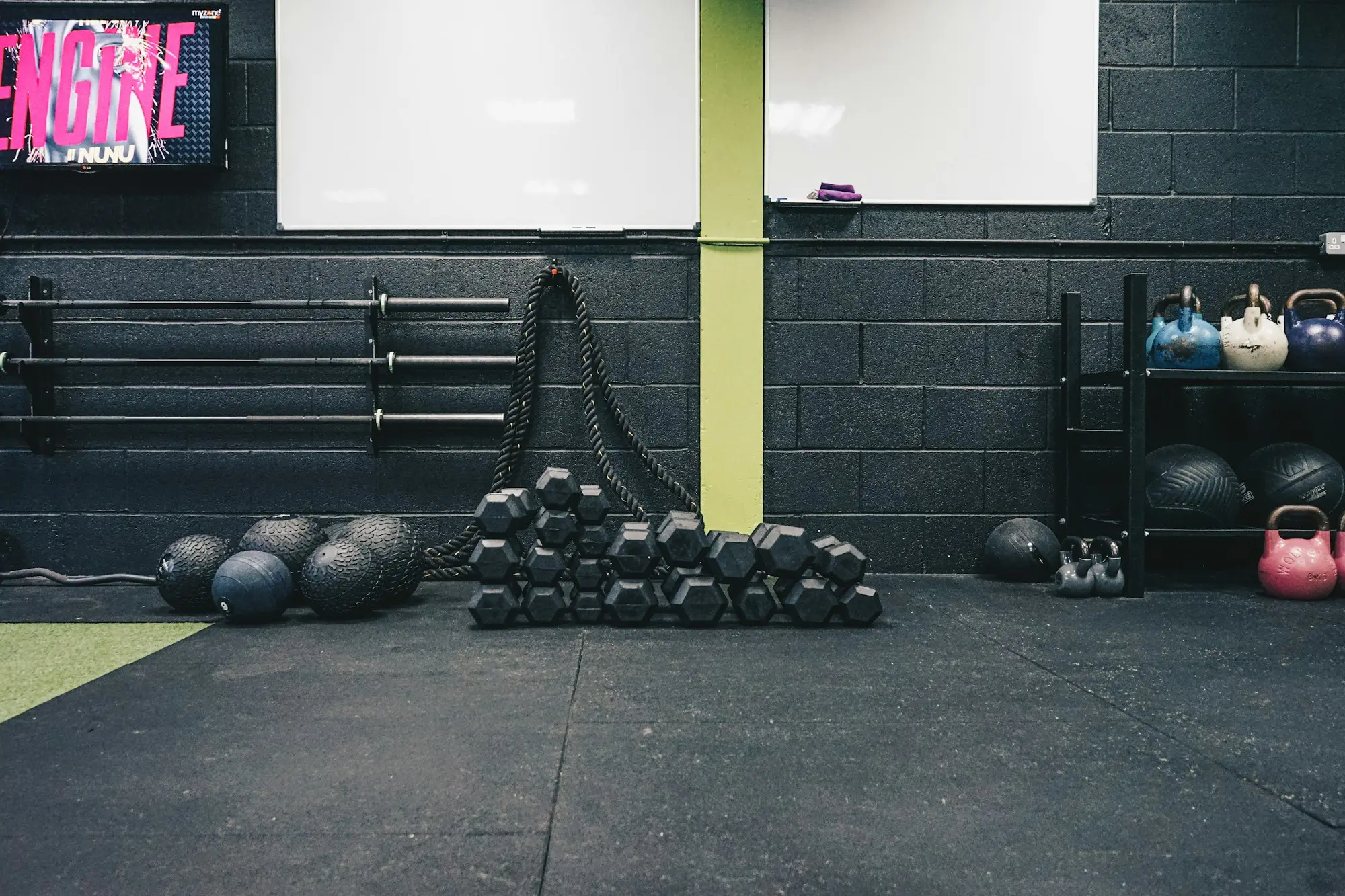
- Equipment. Racks, rigs, cardio machines, reformers, bikes, rowers, dumbbells — and their replacement as they wear out.
- Flooring. Rubber flooring for strength areas and sprung floors for studios aren’t cheap, and they’re hard to do later.
- Amenities. Showers, changing rooms, lockers and ventilation or air conditioning. Members notice these.
- Fit-outs for new spaces. Converting a warehouse or retail tenancy, often with consents involved. See shop fit-out finance.
- A second site. Covered on our page about taking the tenancy next door.
Why does the gym calendar matter?
Fitness businesses often find January and February are the busiest sign-up months, while November and December are slower as people get busy and spend on other things. That’s close to the opposite of a retail shop.
It matters because your quiet months may line up with big bills. If you’re on a 31 March balance date using the standard option for provisional tax, Inland Revenue’s instalments fall on 28 August, 15 January and 7 May. A gym’s January instalment lands just as cash starts to recover, which is helpful; the August one can be tighter if winter sign-ups were weak.
The cash gap estimator has a gym season pattern to start from.
How do lenders look at a gym?
| What they check | What helps |
|---|---|
| Recurring income | Stable direct-debit income, visible in bank statements |
| Member churn | A clear sense of how many members leave each month and why |
| Casual and class income | Separated from memberships so the recurring base is clear |
| Equipment ownership | What’s owned, leased or financed |
| Lease | Long enough to justify fit-out spend, permitted use clear |
| Plan for the money | What it buys and how it lifts or protects membership |
Membership software reports — active members, joins, cancellations, frozen accounts — make a lender’s job much easier.
Which funding fits which job?
Equipment is usually best matched with equipment finance or an unsecured term facility, repaid over its useful life. Inland Revenue’s Investment Boost may also apply to new equipment bought from 22 May 2025, letting businesses claim 20% of the cost upfront. Second-hand equipment sourced from New Zealand doesn’t qualify.
Fit-outs and flooring last longer, so a longer term usually makes sense. Inland Revenue confirms that commercial fit-outs — such as non-structural interior walls, electrical cabling and fire protection — can be depreciated separately from the building.
New sites and big refits often suit property-secured business loans ($20,000 to $5,000,000) for the longer term and gentler repayments.
Short gaps — a slow December, a big tax payment — suit unsecured working capital, typically $5,000 to $500,000 for trading businesses.
Want to talk through a project? Start a 60-second enquiry — there’s no credit check to ask.
An illustrative example
Illustrative only. A strength and conditioning studio with a few hundred members wants to take over a vacant tenancy next door to add a dedicated class space. The job includes rubber flooring, a second set of showers and new equipment.
The owners split the funding: equipment finance for the racks and machines, and an unsecured term facility for the flooring and showers, sized on two years of steady membership income. They plan for the work to finish in late January so the new space opens into the strongest sign-up period of the year.
Before you enquire
- Twelve months of bank statements showing membership income
- Membership reports: active members, joins and cancellations by month
- Quotes for equipment and building work
- Your lease and any landlord approvals for alterations
What about pre-payments, freezes and cancellations?
Membership businesses have a few cash-flow quirks worth understanding before you borrow:
- Pre-paid memberships bring cash in early but create an obligation to deliver sessions later. Don’t treat a big January of annual pre-payments as spare cash.
- Freezes over holidays reduce direct-debit income without showing up as cancellations. Track them separately.
- Cancellations often cluster after the summer resolution wave fades. Watch your net member numbers in March and April.
- Class packs and casual visits are less predictable than memberships; lenders will usually focus on the recurring base.
A simple monthly report showing members at the start, joins, cancellations, freezes and members at the end tells a lender — and you — far more than total revenue alone.
What should a gym check in its lease?
Gyms put unusual demands on a building: heavy equipment, dropped weights, noise, showers and long opening hours. Before you sign or renew, check that the lease’s permitted use covers a gym, that opening hours aren’t restricted, how noise complaints are handled, who pays for floor reinforcement or acoustic work, and what make-good will cost if you have to remove rubber flooring and showers at the end.
See what your gym could qualify for
If your studio needs new kit, a better floor, more space or a second site, start your 60-second enquiry. We won’t run a credit check just because you asked, your details stay with one team rather than being passed to a queue of lenders, and someone who understands membership businesses will phone you. Accurate answers — member numbers, monthly income and what the money’s for — help us match you right first time.
Frequently asked questions
Can I fund gym equipment without property security?
Often, yes. Equipment finance uses the equipment itself as security, and unsecured options are sized on your membership income. Property security helps for bigger fit-outs or new sites.
How do lenders treat membership income?
Recurring direct-debit memberships are generally seen as reliable income, especially when the member count has been stable. Lenders will look at how many members leave each month.
Can I borrow to open a second studio?
Yes, if the first site can support it through the new one's build-up period. Lenders will want to see the first site's track record and your plan for filling the second.
When are gyms quietest?
Many fitness businesses see sign-ups slow in November and December and pick up again in January and February. Your own pattern may differ — check your membership data.