Quick answer
Shop fit-out finance in New Zealand is usually a term facility that spreads the cost of building out a tenancy over the years it earns — either unsecured, typically $5,000 to $500,000 for trading businesses, or property-secured from $20,000 to $5,000,000 for larger projects. Lenders look at the quotes, your lease term, any landlord contribution and how the fit-out lifts takings.
Key points
- Match the funding term to the fit-out's useful life — and the lease.
- Budget for consents, the GST you pay up front, a contingency and pre-opening wages.
- A change of use (shop to café, for example) means notifying your council.
- Fit-out improvements to depreciable property may qualify for Investment Boost.
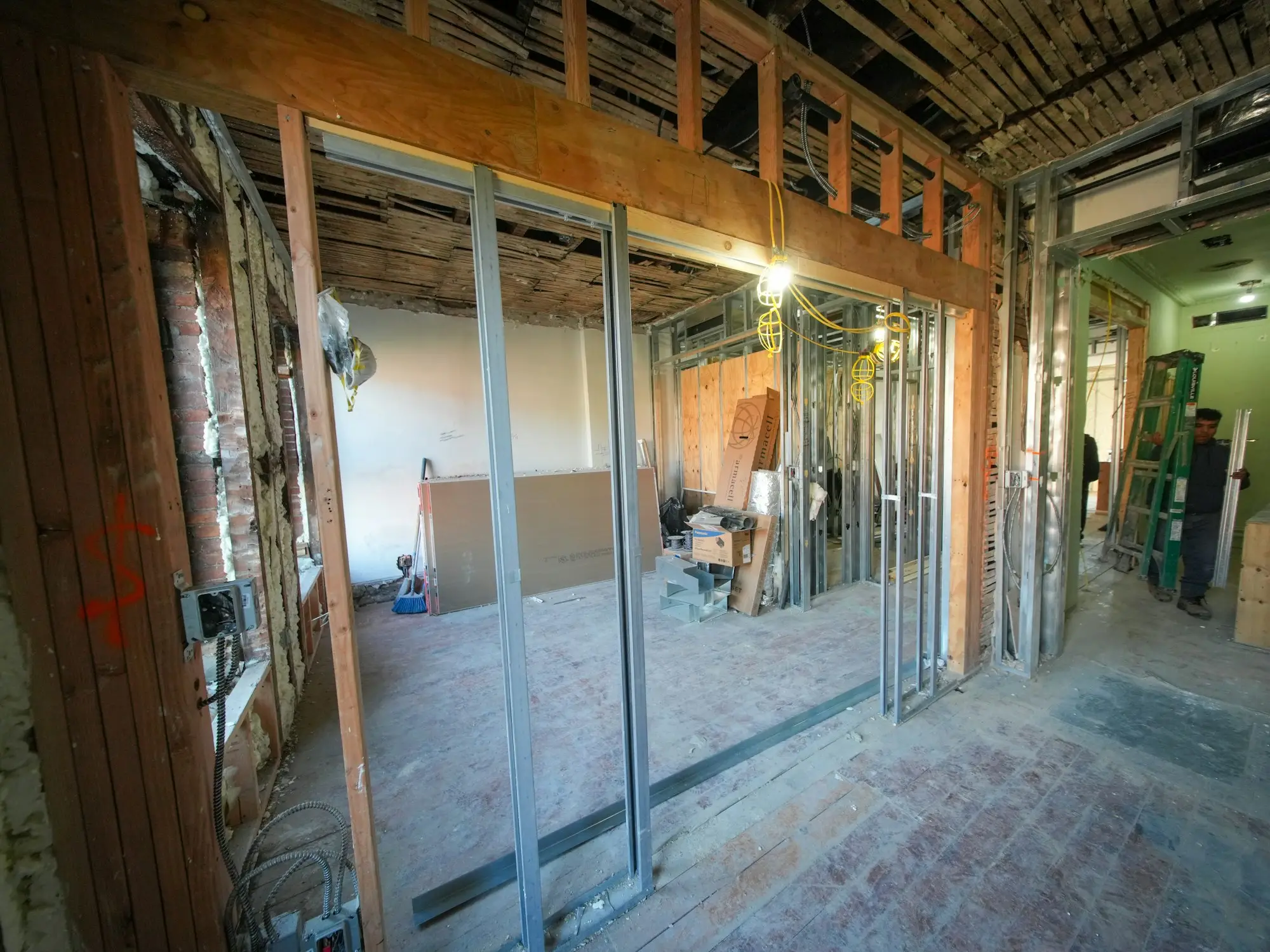
A fit-out is where a business stops being an idea and becomes a place. It’s the counter, the lighting, the kitchen, the treatment rooms, the shelving, the sign over the door. It’s also, for most main-street owners, the single biggest cheque they’ll write — and one that’s spent on someone else’s building.
That’s what makes fit-out funding a bit different from other business borrowing.
What does a fit-out actually include?
Owners often price the obvious items and forget the rest. A realistic fit-out budget covers:
| Stage | Typical lines |
|---|---|
| Before work | Design, drawings, consent and council fees, lawyer’s lease review, building reports |
| The build | Strip-out, walls and ceilings, electrical and data, plumbing and drainage, ventilation and extraction, flooring, accessible facilities, paint |
| Making it yours | Joinery, equipment, furniture, signage, POS and security |
| Opening | Bond, opening stock, wages for training, launch marketing, insurance |
Our free fit-out budget checklist walks through every line, adds a contingency and shows your funding gap. For a full planning walk-through, read our fit-out budget guide.
What should I sort before I borrow?
The lease. A lender funding a fit-out wants enough lease term to justify it, including any rights of renewal. Business.govt.nz suggests clarifying who pays for renovations and repairs, asking about landlord incentives (often available on longer leases), and understanding the make-good provisions — what you must put back when you leave. Our commercial lease checklist covers this in detail.
Consents and change of use. If you’re changing what a space is used for — a former shop becoming a café, a clinic or a gym — talk to the council early. Auckland Council, for example, says you must notify it in writing of a change of use, and if building work is needed to meet the Building Code, you’ll need a building consent before you start.
Building safety. Business.govt.nz recommends asking for structural assessments and asbestos reports, and checking how the lease handles earthquake or fire damage. Older main-street buildings in particular can surprise you.
How do fit-outs get funded?
The guiding rule is to match the funding to how long the fit-out earns. A café fit-out might serve a business for many years, so draining one season’s working capital to pay for it rarely makes sense.
Unsecured term funding — typically $5,000 to $500,000 for trading businesses — suits smaller fit-outs and refreshes for businesses with steady takings. It doesn’t need a valuation, but terms are shorter.
Property-secured business loans — $20,000 to $5,000,000 — suit bigger fit-outs, new businesses with little trading history, or owners who want a longer term and lower repayments. Security can be a home or commercial property through a first or second mortgage or caveat-style security.
Equipment finance often suits big items like ovens, refrigeration or clinical equipment, alongside a facility for the building work.
Landlord contributions and your own cash reduce how much you need to borrow. Keep some cash back for the first quiet months after opening.
Have quotes in hand? Start an enquiry and a person will talk through the options. There’s no credit check to ask.
What about tax?
Two tax points can change the real cost of a fit-out:
- Depreciation. Inland Revenue says commercial fit-outs — such as non-structural interior walls, electrical cabling and fire protection equipment — can be depreciated separately from the building. Structural elements and waterproofing can’t.
- Investment Boost. Inland Revenue lists improvements to depreciable property (but not residential buildings) among the things that can qualify for Investment Boost, which lets businesses claim 20% of the cost of new assets acquired from 22 May 2025 as an upfront deduction.
And don’t forget GST: if you’re registered you’ll usually claim it back, but you pay it first. Talk to your accountant before you commit.
An illustrative example
Illustrative only. An owner signs a six-year lease with a right of renewal on a former clothing store and plans to open a café. The fit-out needs a change of use, a grease trap, extraction, a new accessible toilet, counter joinery and equipment.
The landlord agrees to a rent-free period during the build. The owner uses equipment finance for the coffee machine and kitchen gear, a property-secured loan for the building work, and keeps enough cash to carry wages through the first two months of trading. Every line is priced in the fit-out checklist, with a contingency on the plumbing and extraction.
What should I have ready?
- The signed lease or agreed heads of terms, including renewal rights
- Itemised quotes from your builder and key trades
- Any council correspondence about consents or change of use
- Twelve months of business bank statements, if you’re already trading
- Details of any landlord contribution or rent-free period
- Property details if you’d like to use property as security
How long does it take to fund a fit-out?
It depends on the route. Unsecured term funding doesn’t need a valuation, so it’s usually quicker to arrange. Property-secured loans need a valuation and legal work, so allow more time. Either way, start the funding conversation while you’re still negotiating the lease and getting quotes — not when the builder is waiting for a deposit.
Ready to fund your fit-out?
If you’ve got a space and a plan, start your 60-second enquiry. There’s no credit check to ask, your details stay with one team instead of being passed around, and a person who understands main-street fit-outs will ring you. Please include an accurate total and what’s already covered — quotes, landlord contribution and your own cash — so we can match you properly first time.
Frequently asked questions
Can I finance a fit-out on a leased shop?
Yes. Most main-street fit-outs are on leased premises. Lenders will want to see enough lease term remaining — including rights of renewal — to justify the spend.
Should the landlord pay for part of the fit-out?
It's worth asking. Business.govt.nz notes landlords often provide incentives, especially on longer leases. Get any contribution written into the lease.
Do I need a building consent for a fit-out?
It depends on the work. Changes affecting structure, fire safety, plumbing, accessibility or a change of use often need council involvement. Check with your council before work starts.
Can I claim GST back on the fit-out?
If you're GST-registered, usually yes — but only after you've paid the invoices. Plan for that cash cost in your budget.
How long can a fit-out loan run?
Unsecured terms are generally shorter; property-secured loans can run longer. The right term depends on the size of the job, your lease and your cash flow.